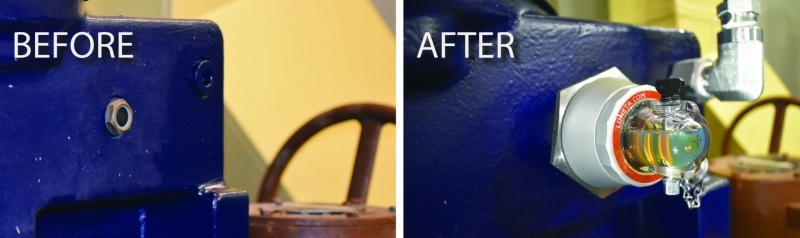
Before and after: transforming machine reliability with the Lunetas CMP
Unexpected equipment failure is one of the most expensive problems in industrial operations. A single unplanned stoppage triggers a cascade of consequences - lost production, emergency repair costs, safety risks, and reputational damage. What makes it so frustrating is that in most cases, the failure was not sudden. The fault had been developing for weeks. Nobody saw it coming because nobody was watching.
This is the central problem the Lunetas Condition Monitoring Pod (CMP) solves. And the difference between before and after implementing it is not subtle.
Before: flying blind between inspections
Most facilities running traditional maintenance programmes rely on some combination of scheduled inspections, manual vibration measurements taken with a handheld device, and time-based component replacement. On paper, this looks like a reasonable approach. In practice, it leaves enormous gaps.
Machines do not develop faults according to the maintenance calendar. A bearing defect can begin forming in week two of a 12-week inspection cycle and reach a critical state long before anyone checks. By the time an operator notices abnormal noise or heat, secondary damage has already spread to the shaft, the housing, or the mechanical seal. What could have been a planned €600 bearing replacement becomes an emergency repair costing several times more.
The financial impact is compounded by how reactive maintenance is priced. Emergency technician call-outs, expedited parts delivery, and overtime labour all carry a premium. Add the cost of lost production during an unplanned stoppage - typically four to eight hours for a critical pump or motor - and a single failure event can easily exceed €10,000.
There is also a safety dimension that often goes undiscussed. Sudden mechanical failure near rotating machinery is dangerous. Shrapnel from a catastrophic bearing, sudden process instability, or a fluid release from a failed seal can injure personnel and damage surrounding equipment. Operating without continuous monitoring means accepting a level of uncertainty that is increasingly hard to justify.
The turning point: continuous visibility changes everything
The shift begins with a simple question: what if you could see the health of your critical machines at any moment, not just when a technician happens to be standing next to them?
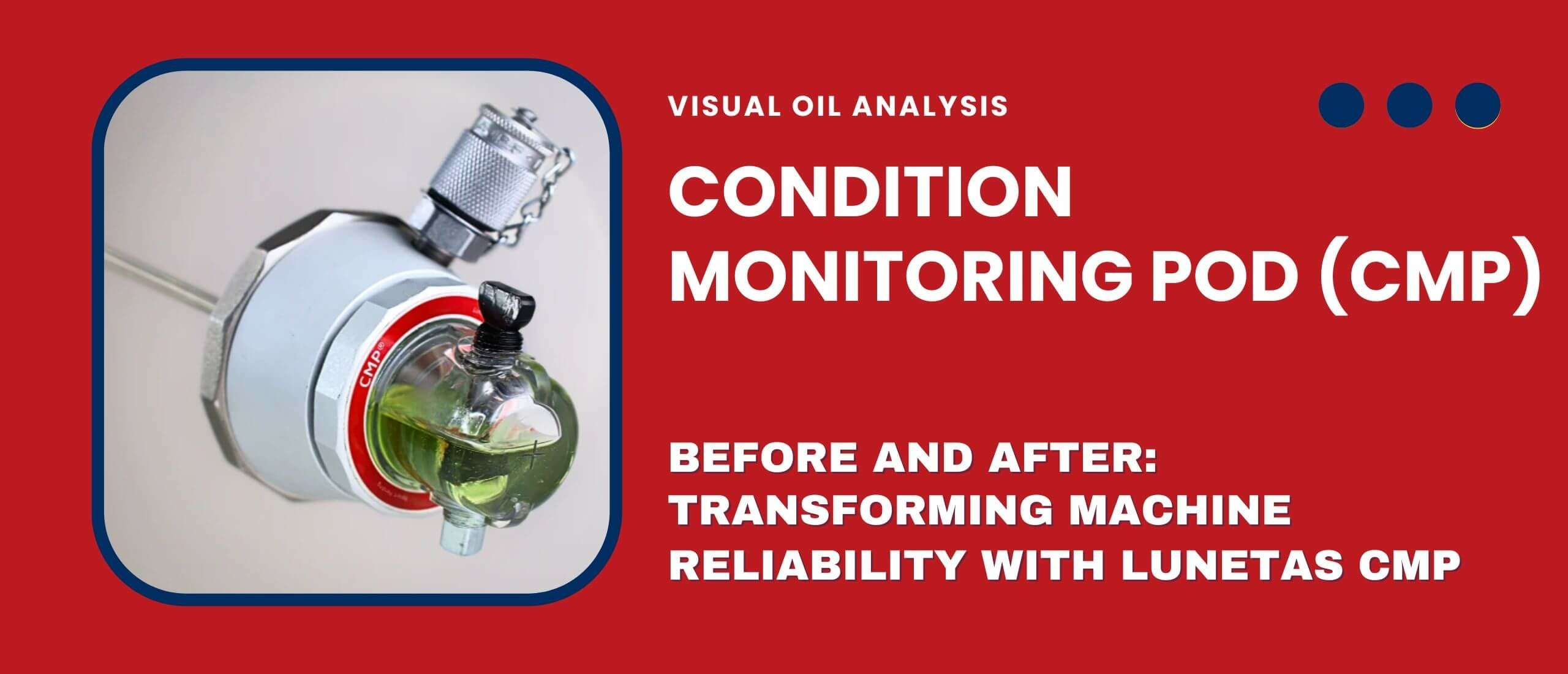
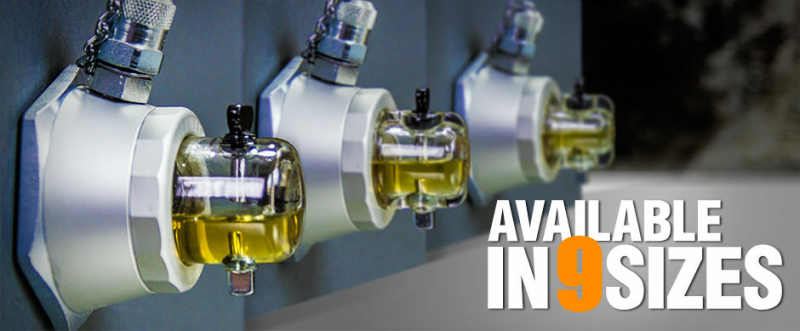
The Lunetas CMP (Condition Monitoring Pod) is a permanently mounted industrial sensor that continuously measures vibration data from rotating assets - pumps, motors, fans, gearboxes, compressors. It does not replace a skilled maintenance team. It gives them something they have never had before: an unbroken stream of objective data about what is actually happening inside each machine.
Vibration analysis is the most sensitive technique available for early fault detection in rotating machinery. Characteristic changes in the vibration spectrum appear long before a component fails - often providing a two-to-eight-week warning window. The CMP captures these signals continuously, compares them against configurable thresholds, and alerts the maintenance team when a trend begins to develop.
That alert arrives weeks before a breakdown. Not after.
After: from reactive repairs to planned interventions
Consider a food processing facility that had been running four critical pumps on a 90-day manual inspection cycle. In an 18-month period, they experienced three unexpected pump failures - each causing six to ten hours of unplanned downtime, with total costs per incident exceeding €12,000.
After installing the CMP on all four pumps, the system identified a developing outer race bearing defect on one pump within the first eight weeks - a fault that would have been invisible until the next scheduled inspection, six weeks later. A bearing replacement was scheduled for the next planned shutdown. Total cost: under €800. In the 12 months that followed, the facility recorded zero unplanned pump stoppages.
That is not an unusual result. It is what happens when maintenance decisions are based on what the machine is actually telling you.
Before and after: side by side
Before Lunetas CMP | After Lunetas CMP | |
|---|---|---|
| Fault detection | Visible damage or abnormal noise - often already serious | Vibration anomalies detected weeks before failure |
| Inspection frequency | Manual checks every 30–90 days | Continuous 24/7 automated monitoring |
| Maintenance planning | Fixed calendar-based schedule | Condition-based - timed to actual machine state |
| Downtime | Unplanned stoppages, 4–8 hrs average | Planned interventions during scheduled windows |
| Repair costs | Emergency rates, expedited parts, overtime | Predictable, budgeted spend at standard rates |
| Safety exposure | High - unexpected failures near rotating machinery | Low - warnings issued before hazardous failure |
| Documentation | Paper logs, manual records | Digital trend data, automated alerts, audit trails |
| Asset lifespan | Components replaced too early or too late | Parts replaced at the optimal point |
That makes the CMP specifically the right tool
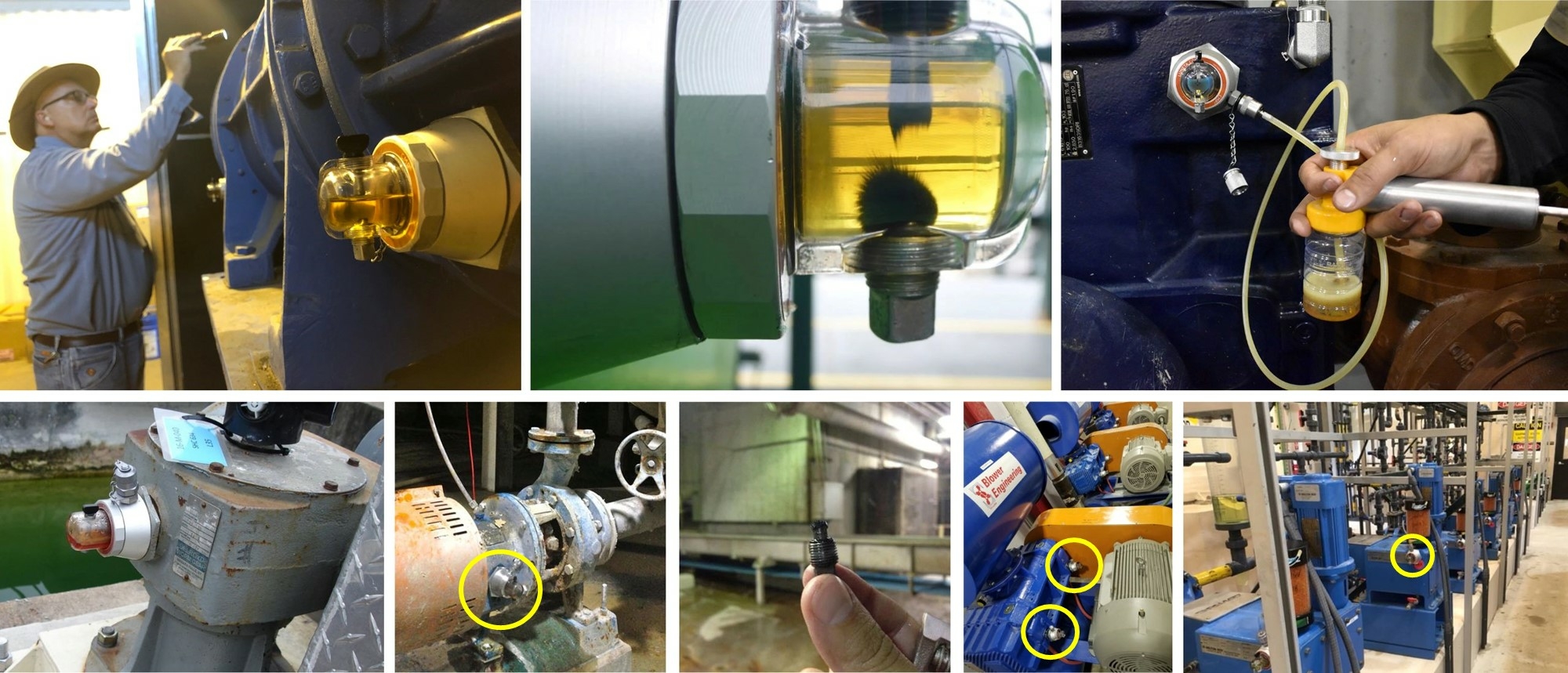
Not all condition monitoring devices are built for industrial environments. The CMP is engineered for exactly the conditions where reliability matters most - washdown areas, outdoor plant, high ambient vibration, dusty or corrosive atmospheres.
It detects the full range of fault signatures that cause rotating machinery to fail: inner and outer race bearing defects, shaft imbalance and misalignment, gear mesh irregularities, looseness in mounting or coupling, and lubrication film breakdown indicated through high-frequency analysis. Thresholds are configurable, alert logic is built in, and the system scales across multiple assets without requiring a dedicated monitoring specialist to interpret raw data.
For reliability teams already stretched across dozens of assets, this last point matters. The CMP is not a tool that demands constant attention - it is one that speaks up when something needs attention.
Conclusion: machine health should not rely on guesswork
The difference between before and after the Lunetas CMP comes down to information. Before, maintenance teams work from schedules and assumptions. After, they work from continuous, objective data about what is actually happening inside each machine.
That shift - from calendar-based reactive maintenance to real-time condition-based decision making - changes the economics of your operation, the safety of your personnel, and the predictability of your production. Faults that previously went undetected until they caused failures are now visible weeks in advance.
If your facility is still relying on periodic inspections for critical rotating assets, the question worth asking is not whether something will fail unexpectedly. It is when - and whether you will see it coming.
Explore the Lunetas CMP on our webshop or get in touch with the Lubretec team to discuss a condition monitoring strategy for your facility.