10 steps to Lubrication Reliability™
Your roadmap to World Class Maintenance
Poor lubrication is one of the most common, and preventable, causes of equipment failure. Still, in many industrial environments, it’s treated as a routine task rather than a key reliability process. The result? More breakdowns, higher maintenance costs, and shorter asset life.
But when we talk about lubrication, we’re really talking about bearings, the heart of rotating equipment. If lubrication isn’t right, bearings are the first to suffer.
That’s why Lubrication Reliability (LR) matters. It’s not about greasing parts, it’s about building a consistent, controlled system that protects your critical components and supports long-term performance.
🛈
Ever wonder how lubrication failures start quietly,
and how to stop them before they do damage?
Discover the hidden phase of bearing failure and
how the 6 Lubrication Rights can help prevent it.
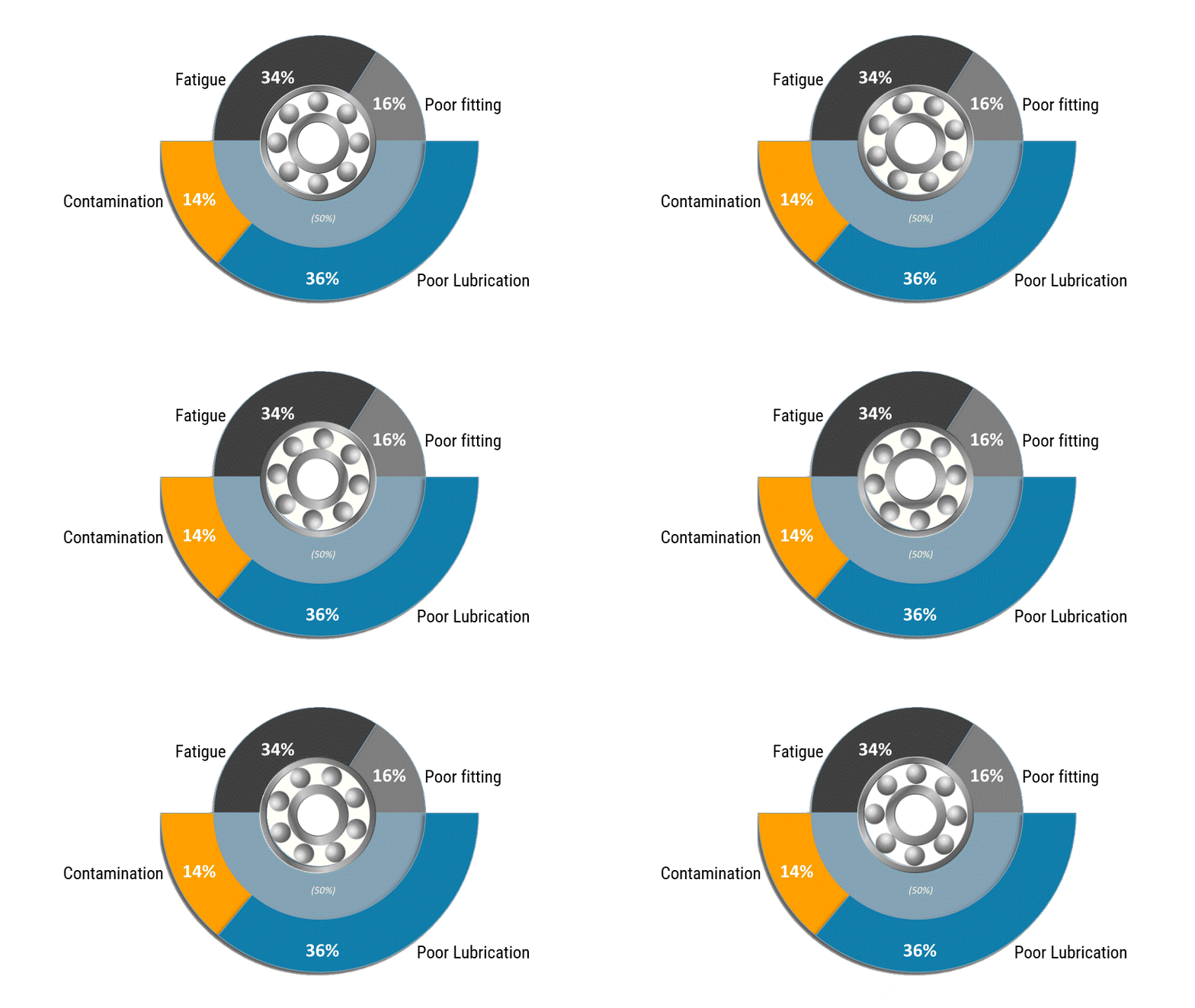
"SKF's 2019 bearing damage analysis found lubrication to be the single largest cause of premature bearing failure; responsible for 36% of cases, more than fatigue, mounting, or contamination combined with any other factor. Add contamination (14%); the very thing proper lubrication is meant to keep out, and half of all premature bearing failures trace back to the oil film."
Source: SKF/STLE Bearing Damage and Failure Analysis, 2019
Source: SKF/STLE Bearing Damage and Failure Analysis, 2019
WHAT'S GOING WRONG IN MOST PLACES?
❌ No clear ownership of lubrication
❌ Different practices per shift
❌ Poor documentation
❌ Reactive fixes instead of planned actions
In many plants, lubrication is left to chance. And that leads to avoidable wear, unexpected failures, and higher costs.
YOU NEED MORE THAN GOOD PRODUCTS
Even the best lubricant won’t help if it’s used inconsistently, incorrectly, or too late. Real reliability comes from a structured, step-by-step strategy that links lubrication to your broader maintenance goals.
We’ve developed a practical 10-step Lubrication Reliability approach to help you shift from reactive practices to a fully reliable system. Each step builds on the previous one, guiding you from first assessment to full optimisation.
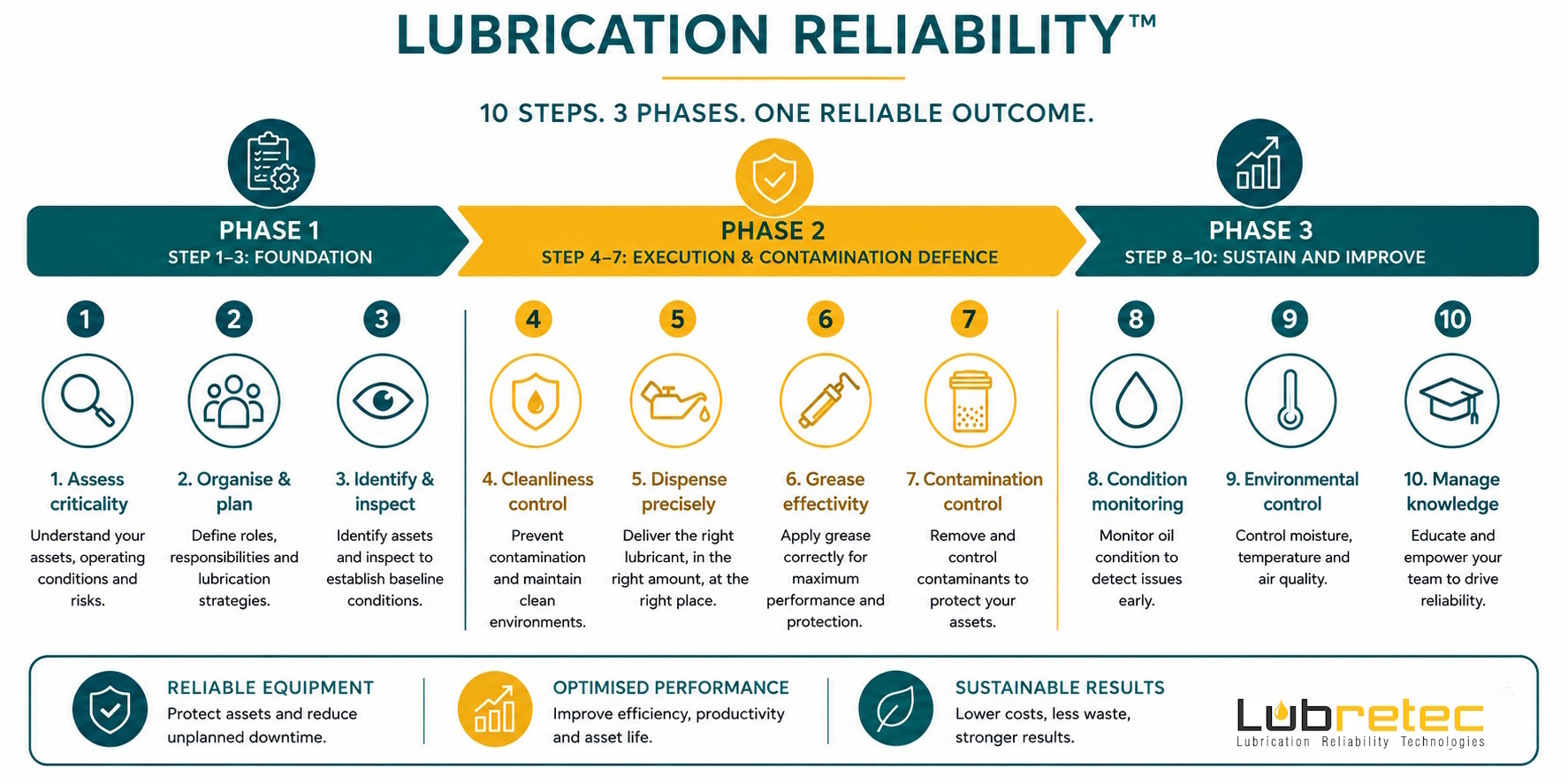
Scroll down to explore the 10 steps to Lubrication Reliability.
DISCOVER THE 10 STEPS TO LUBRICATION RELIABILITY
STEP 1-3 : THE FOUNDATION
Understand where you stand and put basic organizational structure and labeling in place.
1. Assess & Benchmark
1. Assess & Benchmark
Assess your current lubrication program to identify improvements.
- Spot inefficiencies and contamination risks.
- Benchmark against top industry standards.
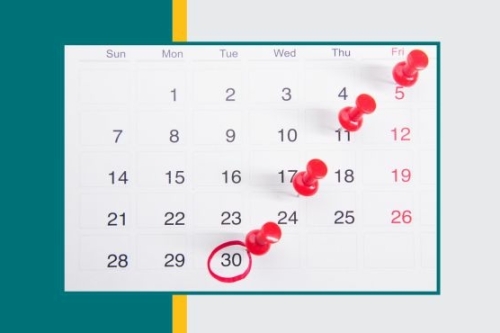
2. Organise & Plan
Good lubrication doesn’t happen by chance. Put structure behind it.
- Spot inefficiencies and contamination risks.
- Benchmark against top industry standards.
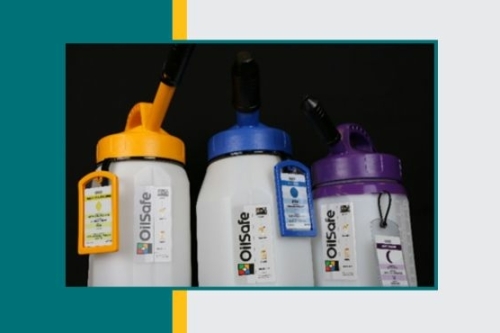
3. Identify and inspect
Label every lubrication point and product to avoid cross-contamination.
- Use colour-coding and clear signage.
- Regular inspections detect problems early.
STEP 4-7 : EXECUTION AND CONTAMINATION DEFENSE
The operational core: cleanliness, precise dispensing, correct greasing, and contamination exclusion. This is where most of the "hands-on" reliability work happens, and it's notable that contamination is addressed twice (steps 4 and 7), once at the point of application and once systemically (breathers, seals, storage).
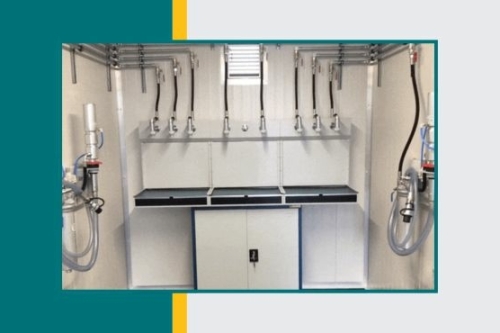
4. Cleanliness
Control
Control
Keep lubricants clean from storage to application.
- Filter oils before and during use.
- Use sealed containers and clean transfer systems.
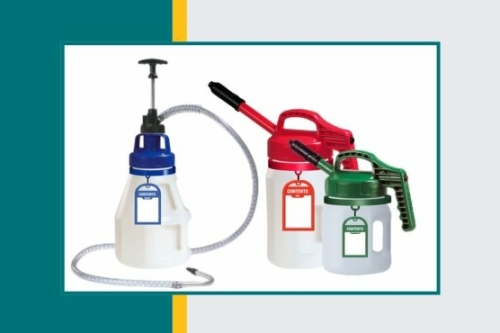
5. Dispense
precisely
5. Dispense
precisely
Dispense lubricants safely, accurately, and without mess.
- Use dedicated, clean equipment to prevent cross-contamination.
- Eliminate spills and waste.

6. Grease
Effectivity
Effectivity
Proper greasing prevents premature wear.
- Follow the correct volume.
- Use tools that deliver with precision.
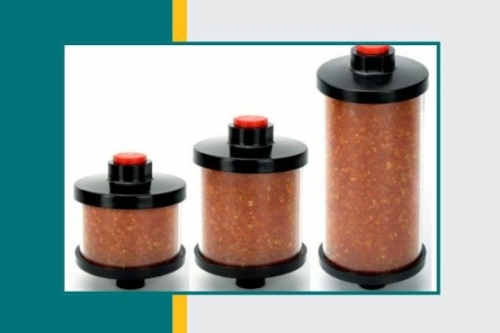
7. Contamination Control
7. Contamination Control
Block dirt, water, and particles.
- Install breathers, seals, and filtration units.
- Maintain clean, organized storage.
STEP 8-10 : SUSTAIN AND IMPROVE
Monitoring (oil analysis), housekeeping, and finally people/training; the feedback loop and cultural layer that keeps the first seven steps from decaying over time.

8. Condition Monitoring
8. Condition Monitoring
Regular testing reveals wear, contamination, and oil health.
- Use oil analysis to guide change intervals.
- Detect problems before they cause breakdowns.

9. Environmental Control
Housekeeping drives equipment reliability.
- Implement spill control and absorbents.
- Support 5S and environmental compliance.

10. Manage knowledge
10. Manage knowledge
Advanced tools only work well when skilled workers use them.
- Train teams on modern lubrication practices.
- Promote ownership and continuous improvement.