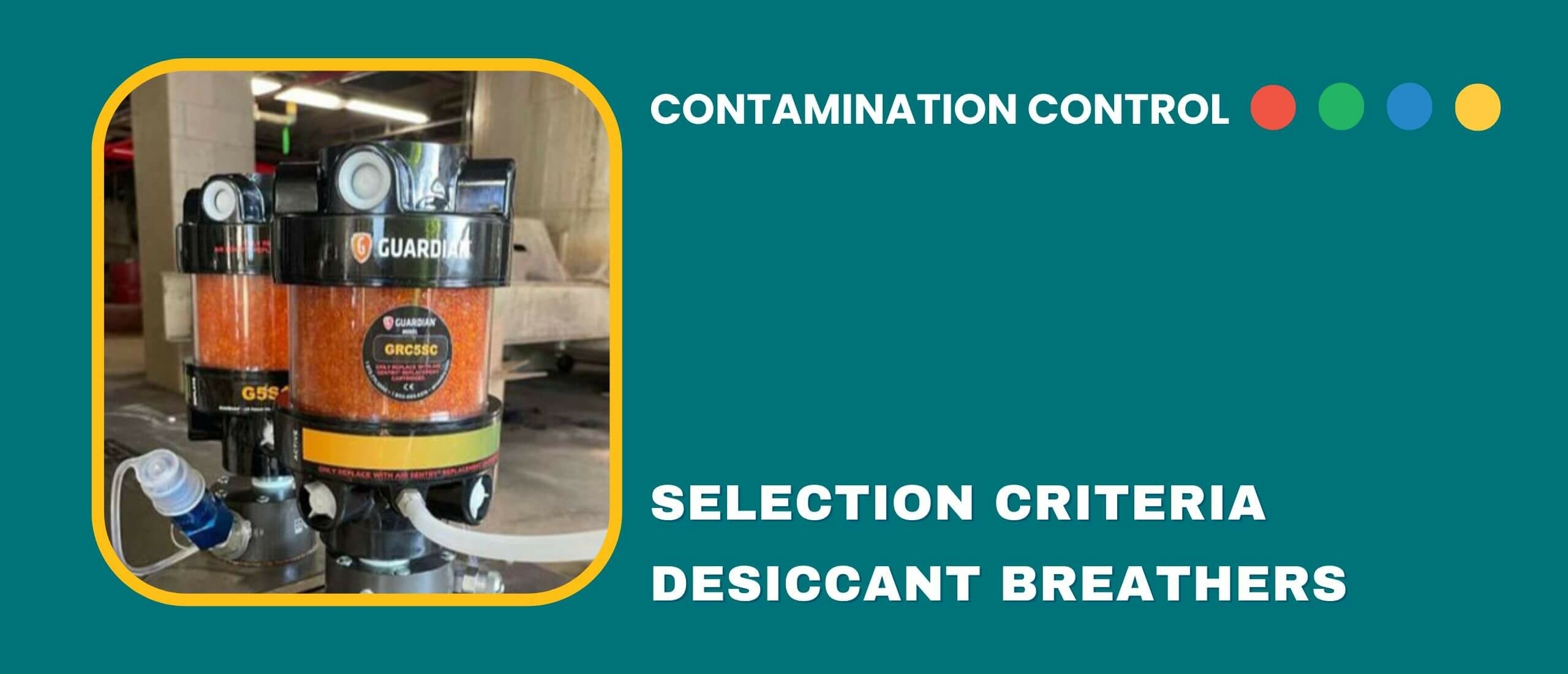
How to Choose the Right Desiccant Breather for Industrial Equipment
Choosing the right desiccant breather is essential for protecting equipment from moisture and contamination. This guide explains what desiccant breathers do, why they matter, and outlines eight practical steps to help you select the most effective option for your application, improving reliability and reducing maintenance costs.
Moisture and contamination are two of the most common causes of premature equipment failure. Yet they are often underestimated. Every time a machine breathes due to temperature or pressure changes, airborne moisture and particles can enter the system. Over time, this leads to oil degradation, corrosion and increased wear.
A desiccant breather is a simple but powerful solution. When correctly selected, it protects lubricants, extends equipment life and reduces unplanned downtime. However, not all desiccant breathers are created equal. Choosing the wrong one can limit performance or even create new problems.
This guide explains everything you need to know to make the right choice, using eight clear and practical steps.

1. Understand what a desiccant breather does
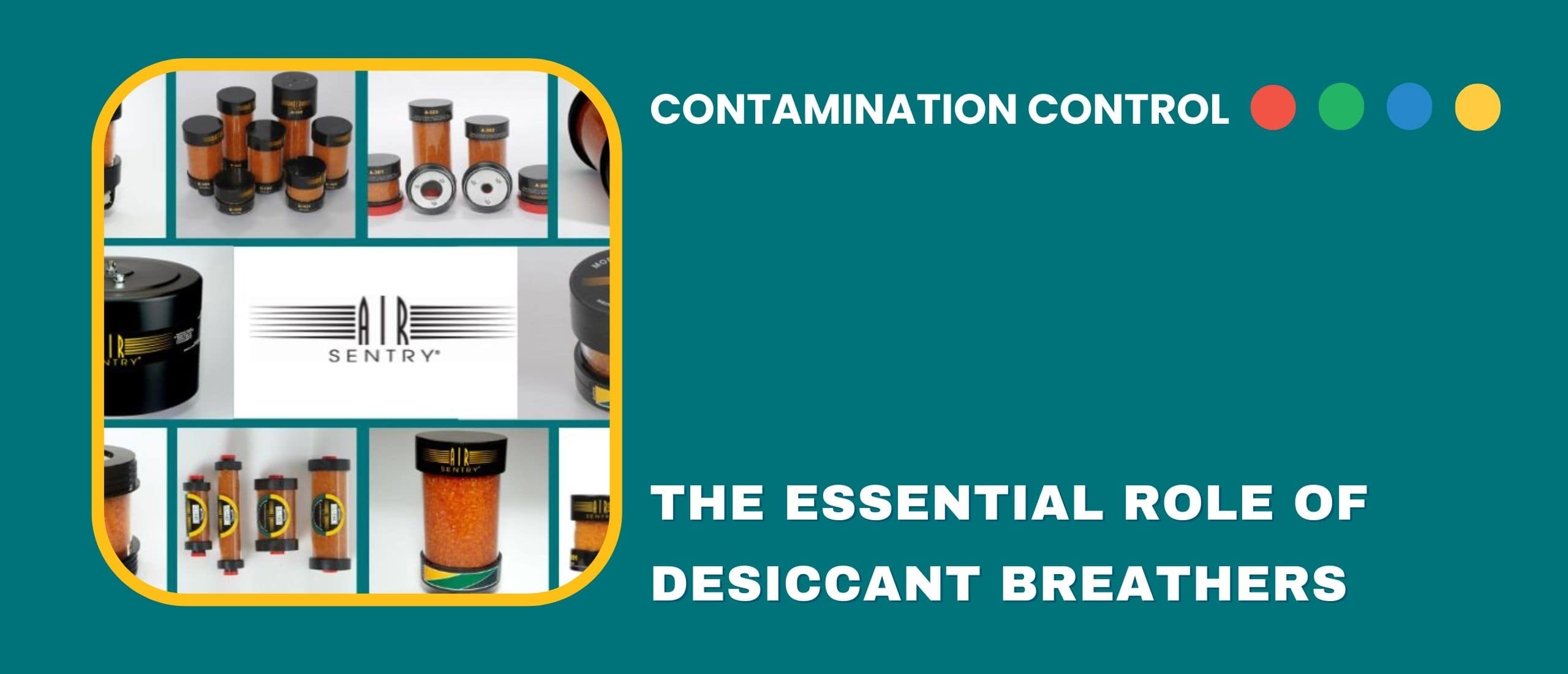
A desiccant breather is installed on equipment such as gearboxes, reservoirs and hydraulic systems. Its purpose is to clean and dry incoming air as the machine breathes.
It performs two key functions:
- Removes moisture from incoming air using a desiccant material
- Filters out solid contaminants such as dust and dirt
Without this protection, moisture can enter the oil, leading to oxidation, reduced lubrication performance and internal corrosion. Over time, this shortens oil life and increases maintenance costs.
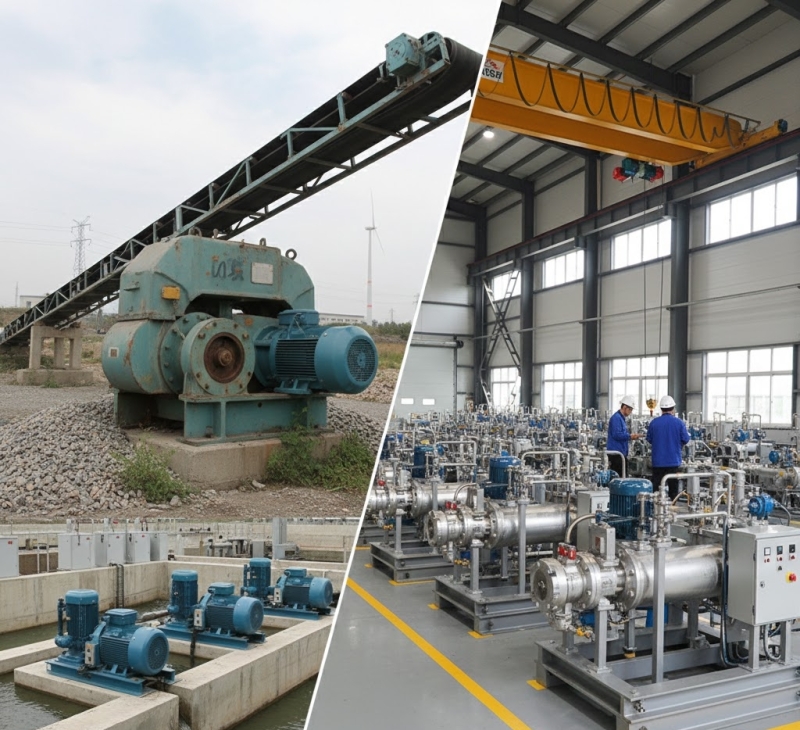
2. Identify the type of equipment being protected
Different machines have different breathing patterns and contamination risks. Understanding your equipment is essential before selecting a breather.
Consider the following:
- Is the equipment exposed to outdoor or indoor conditions
- Does it experience frequent temperature changes
- Is it subject to high humidity or washdown procedures
- Does it operate continuously or intermittently
For example, gearboxes in outdoor environments typically require higher moisture absorption capacity than indoor hydraulic units.
3. Evaluate moisture exposure and humidity levels
Moisture is the main enemy of lubricated systems. The amount of moisture a breather must handle depends largely on environmental conditions.
Ask yourself:
- Is the equipment located in a humid or coastal area
- Is there frequent rainfall or condensation
- Does the machine cool down rapidly after operation
High humidity environments require breathers with greater desiccant capacity and visible saturation indicators so replacement can be scheduled before failure occurs.
4. Consider airflow and pressure requirements
Every machine breathes differently. If the breather cannot handle the required airflow, it may restrict pressure equalisation or fail prematurely.
When assessing airflow requirements:
- Review the size of the reservoir or gearbox
- Consider temperature fluctuations during operation
- Identify whether the system experiences rapid air exchange
A breather that is too small may clog quickly, while one that is too large may be unnecessary and increase costs.

5. Choose the right desiccant material
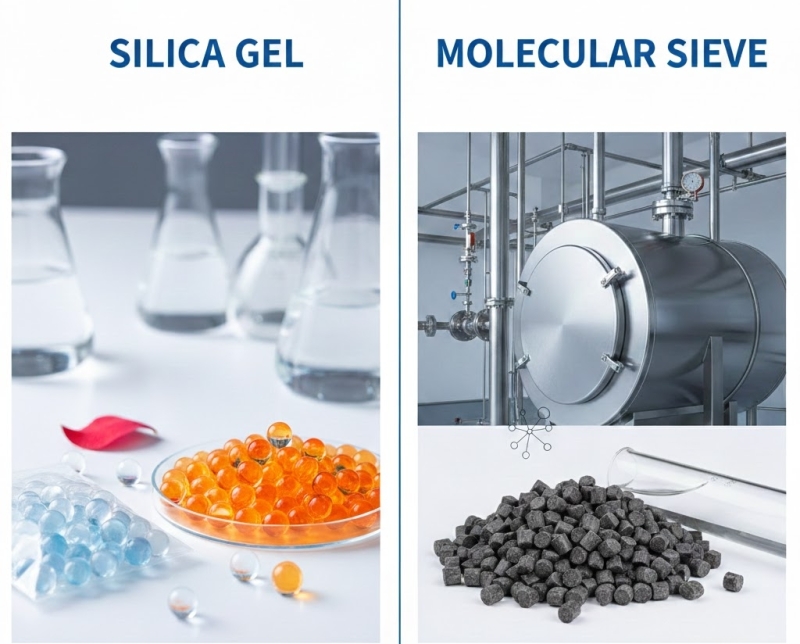
Not all desiccants perform the same way. The most commonly used materials include silica gel and molecular sieve.
Key differences include:
- Silica gel is effective and widely used for general applications
- Molecular sieve performs better in high humidity environments
- Some breathers combine both for extended protection
Selecting the correct desiccant improves moisture control and extends service life.
6. Look for contamination protection features
Moisture is not the only threat. Solid particles can also cause serious damage to components.
A high quality desiccant breather should include:
- High efficiency particulate filtration
- Durable housing to prevent cracking or leaks
- Check valves or seals to prevent backflow contamination
These features ensure that only clean, dry air enters the system.
7. Consider visibility and maintenance indicators
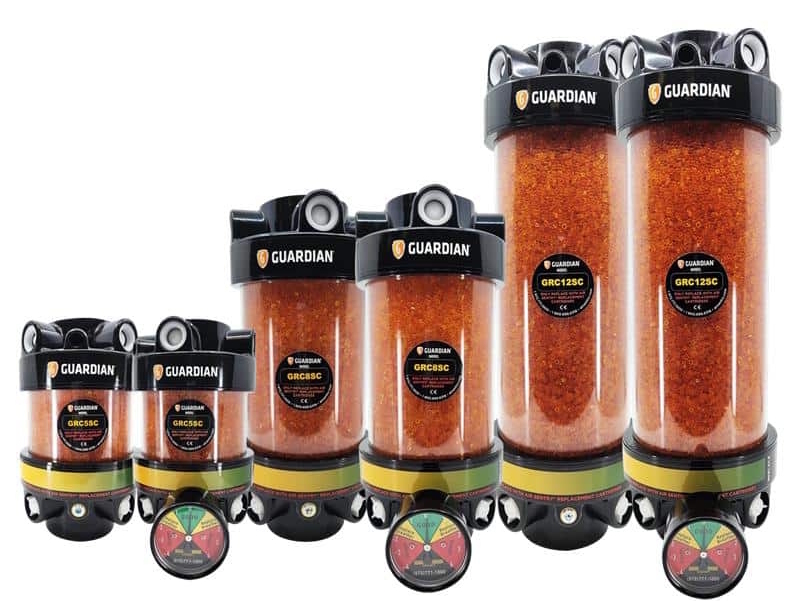
Effective maintenance relies on knowing when action is required. Modern desiccant breathers often include visual indicators that show when the desiccant is saturated.
Look for:
- Clear housings for easy inspection
- Colour changing desiccant
- Simple replacement procedures
This allows maintenance teams to act proactively rather than reacting to oil analysis results or equipment failure.

8. Match the breather to your maintenance strategy
Finally, your choice should align with your overall reliability and maintenance goals.
Ask yourself:
- Are you aiming to extend oil drain intervals
- Do you want to reduce unplanned downtime
- Is condition based maintenance part of your strategy
Selecting the right breather supports predictive maintenance, improves asset reliability and delivers long term cost savings.
Conclusion
Desiccant breathers play a critical role in protecting lubricated equipment from moisture and contamination. Choosing the right one requires more than selecting a product from a catalogue. It involves understanding your environment, equipment behaviour and maintenance objectives.
By following these eight steps, you can make an informed decision that improves equipment reliability, extends lubricant life and reduces total cost of ownership.
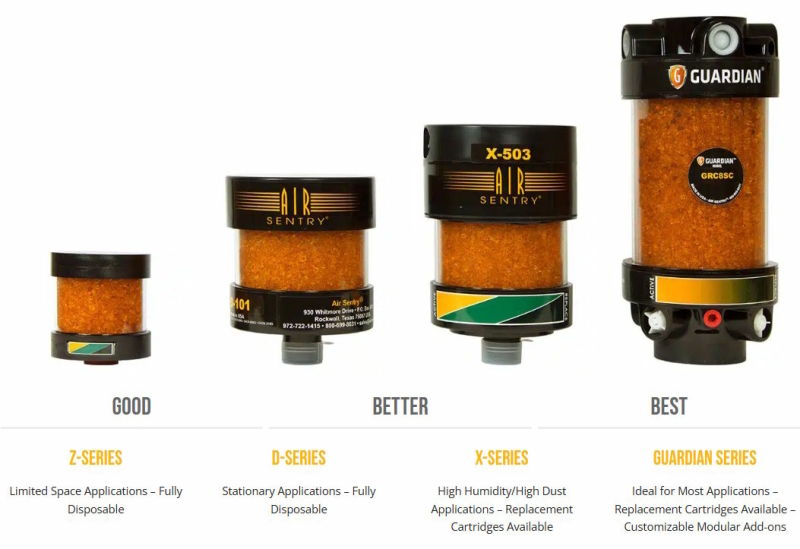
If you want to learn more about selecting the right desiccant breather or improving contamination control across your site, speak with a specialist or explore proven solutions designed for industrial reliability.
Taking the time to choose correctly today can prevent costly failures tomorrow.