The complete journey of oil: from extraction to machinery and beyond
Oil powers the modern world. From fueling cars and aircraft to enabling industrial machinery, this versatile substance underpins our daily lives and global economy. Yet the path from underground reservoirs to reliable lubrication in equipment is neither simple nor risk-free. Understanding this journey - including the challenges it faces and the practices that preserve its value - is essential for professionals in industry and supply chain management alike.
 The journey of oil: Exploring its Path from Extraction to Machinery
What is oil and why does it matter?
Crude oil is a naturally occurring mix of hydrocarbons formed over millions of years beneath the Earth’s surface. Once extracted, it becomes the raw material for fuels, plastics, chemicals and lubricants used across sectors. Without effective handling and processing, the quality of oil can degrade, leading to reduced performance and costly machinery issues.
1. Extraction: tapping the underground reservoirs
The journey begins deep beneath the Earth, where organic matter transformed into hydrocarbons over geological time. Geologists use advanced techniques such as seismic surveys to locate oil deposits. Once identified, drilling operations, onshore or offshore, bring crude oil to the surface.
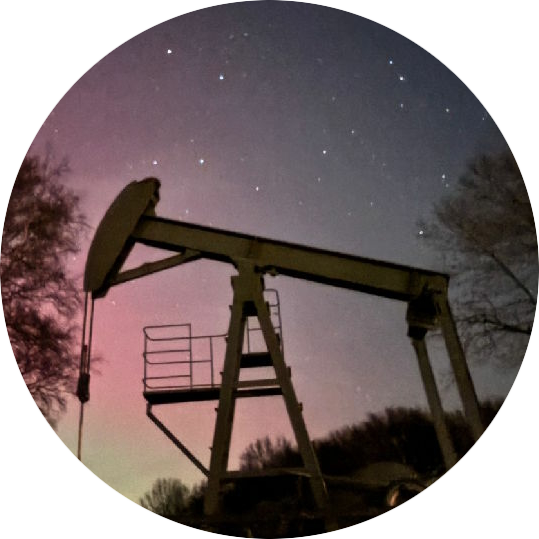
However, freshly extracted crude is rarely pure. It commonly contains contaminants such as:
- Sand and sediment
- Water and dissolved gases
- Organic matter from surrounding rock
These impurities must be managed early, as they can affect both refining efficiency and final product quality.
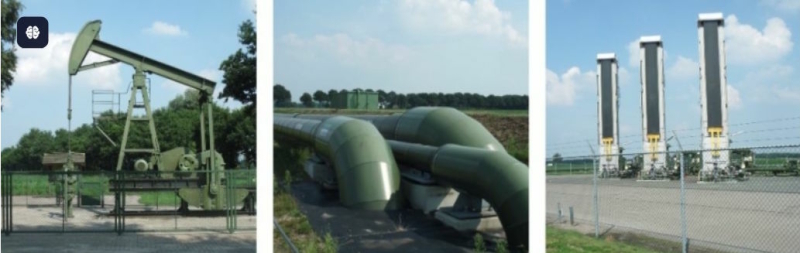 Pumpjack - pipeline - oil pumps
2. Refining: transforming crude into useful products
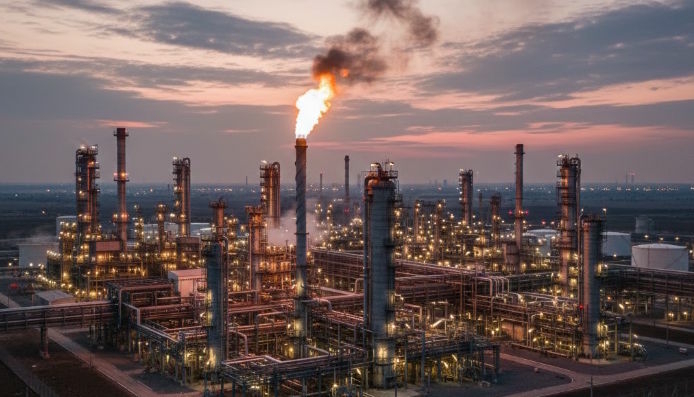
Crude oil cannot be used directly in most applications. It enters refineries where it undergoes complex physical and chemical processes. The primary refining steps include:
Distillation
In a distillation column, crude oil is heated so different hydrocarbons separate by boiling point; light gases, kerosene, diesel, gasoline and heavier fractions such as lubricants or asphalt are obtained.
Conversion and treatment
Heavier fractions may be cracked into lighter, more valuable products. Impurities like sulfur are removed to meet quality, safety and environmental standards.
Refining is capital-intensive and technologically advanced, requiring continuous operation and careful optimisation to maintain safety and quality.
3. Transportation: moving oil safely and efficiently
After refining, oil and its products are transported to storage and distribution centres. Major transport methods include:
- Pipelines: Cost-efficient and safe for long-distance movement of large volumes, often across borders.
- Tankers: Sea vessels carry crude and refined products to global markets.
- Rail and road tankers: Used where pipelines are impractical or to reach remote areas.
At each leg of transportation, contamination risk exists, from environmental exposure to residue in containers, which must be mitigated through best practices and quality controls.
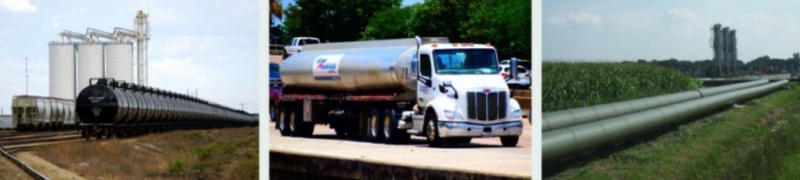 Oil transportation by train, truck, pipeline
4. Storage and distribution: safeguarding quality
Oil products are stored in bulk tanks, drums and specialist facilities before reaching industry or retail outlets. Poor storage conditions can introduce:
- Dust and rust
- Water ingress
- Residue from previous contents
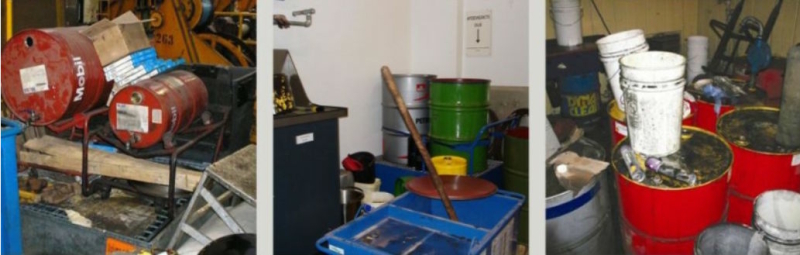 Poor oil storage examples
Such contamination degrades product quality and can compromise performance, particularly for lubricants used in precision machinery.
Best practice tip: Regular cleaning of storage tanks, use of sealed containers, and effective filtration systems reduce contamination risk.
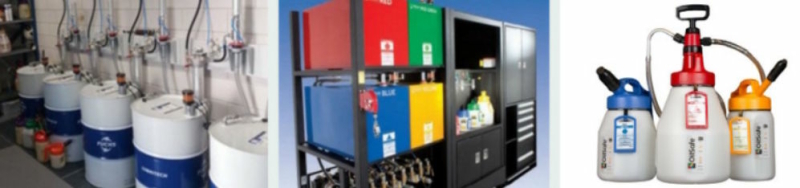
5. Machinery and end use: where quality really matters
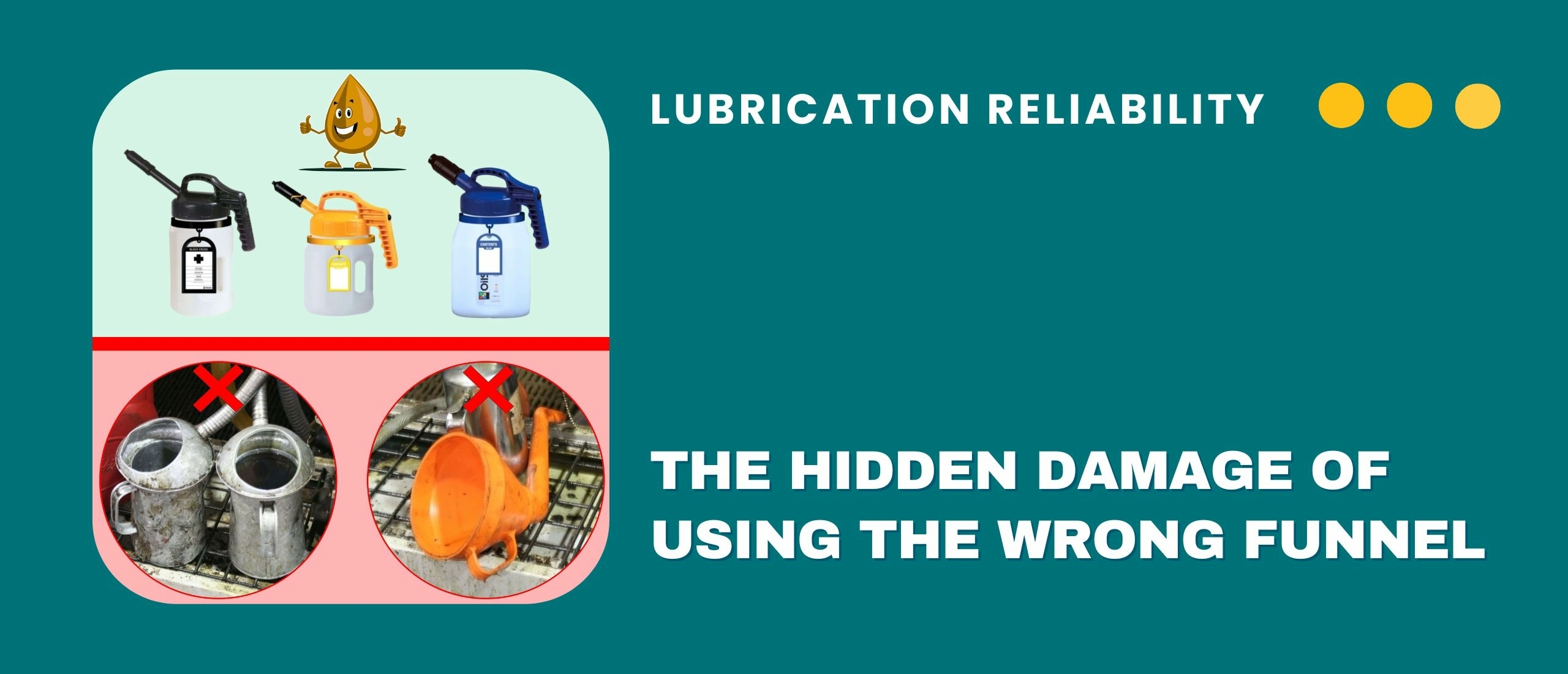
The final stage of the oil journey is its use in machinery or products. Lubricants, for example, must be clean and free from moisture and particulates to protect bearings, gears and other elements. Mishandling during transfer, such as open funnels or unfiltered pumps, can introduce contaminants that:
- Increase wear and tear
- Reduce operational efficiency
- Lead to premature equipment failure
- Raise maintenance costs
A dirty lubricant room, cluttered and unmanaged, exacerbates these risks and creates safety hazards for staff.
Contamination risks and industry consequences
When oil becomes contaminated at any stage, the consequences are real and costly:
- Reduced equipment reliability and performance
- Higher maintenance and repair costs
- Increased downtime
- Safety compliance failures
- Greater environmental and operational risk
Organised processes, rigorous monitoring and trained personnel are essential to uphold oil integrity from wellhead to wheel.
Mastering the oil lifecycle
Oil’s journey, from deep geological formations to the heart of industrial machinery, is a complex global process with many potential points of failure. By understanding each stage, from extraction through refining, transport, storage and application, professionals can:
- Minimise contamination
- Preserve product quality
- Enhance machinery longevity
- Improve operational efficiency
Investing in best practices and quality controls is not merely an operational choice, it’s a strategic advantage. Ensure your processes reflect this journey so that the oil powering your operations delivers maximum value with minimal risk.