Step 9 of 10: Environmental Control
CONTROL THE ENVIRONMENT
Protect the Reliability
CONTROL THE ENVIRONMENT
Protect the Reliability
A reliable lubrication programme needs more than the right lubricant and the right equipment; it needs a controlled environment around it. Keep lubrication areas clean, organised, dry and safe, so contamination, spills and poor practice don't undo the previous eight steps.
A reliable lubrication programme needs more than the right lubricant and the right equipment; it needs a controlled environment around it. Keep lubrication areas clean, organised, dry and safe, so contamination, spills and poor practice don't undo the previous eight steps.
PRIMARY RISK
Dust, moisture and disorganisation undoing Steps 1-8
GOVERNS
Cleanliness, spills, storage, 5S,
waste
FEEDS INTO
Step 10 (Knowledge
Management)
THE ENVIRONMENT IS PART OF LUBRICATION RELIABILITY
YOUR LUBRICATION PROCESS DOES NOT STOP AT THE MACHINE.
Lubrication reliability is shaped by everything around the lubricant; not just the lubricant itself. Dust, moisture, spills, dirty tools, poor storage and disorganisation can all introduce risk, even when the product you're applying is exactly right.

A controlled lubricant needs a controlled environment.
STEP 1 THROUGH STEP 9
EVERY PREVIOUS STEP DEPENDS ON THE ENVIRONMENT.
Environmental Control is the protective layer that surrounds the rest of the Lubrication Reliability™ process; not a separate topic bolted on at the end.

SIX AREAS OF CONTROL
CONTROL THE CONDITIONS AROUND LUBRICATION

Cleanliness
Keep floors, surfaces, tools and lubrication equipment free from dirt and debris.

Moisture
Prevent water ingress, condensation and humid conditions from compromising lubricants and equipment.

Spills & leaks
Prevent spills where possible, and respond immediately when they occur.

Storage
Store lubricants, tools and consumables in dedicated, clean and protected locations.

Organisation
Use visual management, colour coding and defined locations so everything has a place.

Waste
Control used lubricants, contaminated absorbents, empty containers and other waste responsibly.
A SPILL IS MORE THAN A MESS. IT'S A RELIABILITY RISK.
Uncontrolled leaks and spills create contamination risk, safety hazards, equipment damage, unnecessary lubricant consumption, extra maintenance work and production disruption.
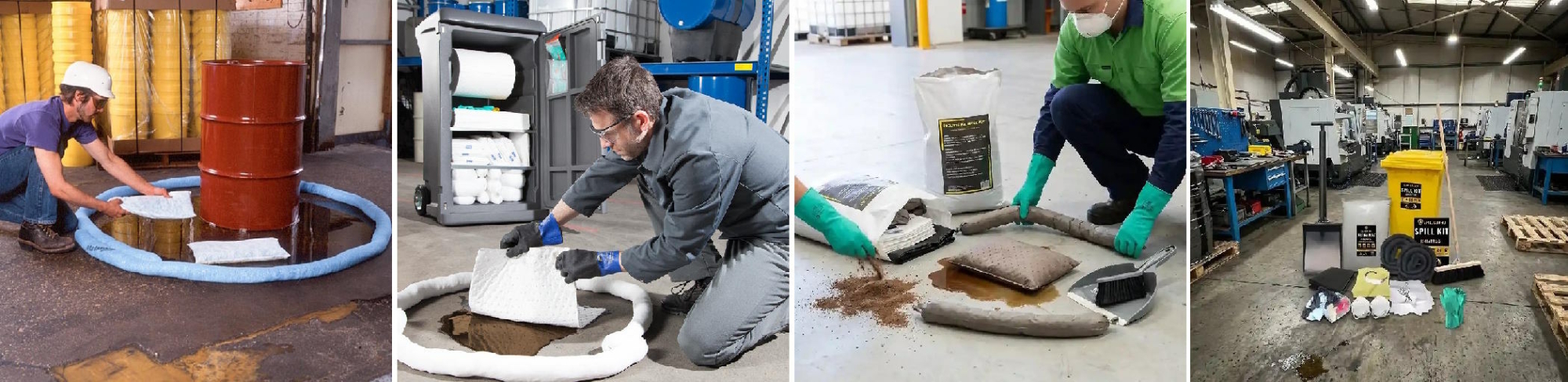
Prevent
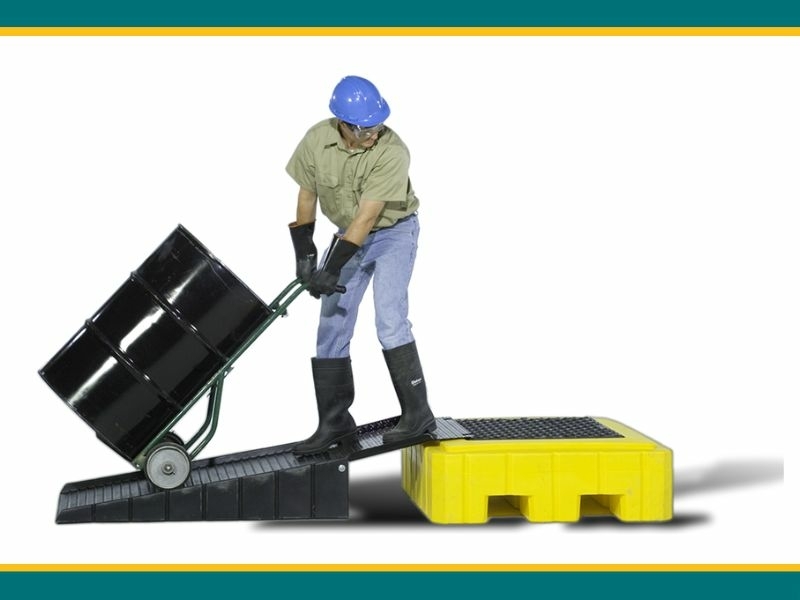
Use proper storage, sealed equipment, drip trays, spill containment and good handling practices.
Contain
Have absorbents, spill kits and containment equipment available wherever a risk exists.
Respond
Train personnel to act quickly, clean correctly and report the root cause.
BE PREPARED BEFORE THE SPILL HAPPENS
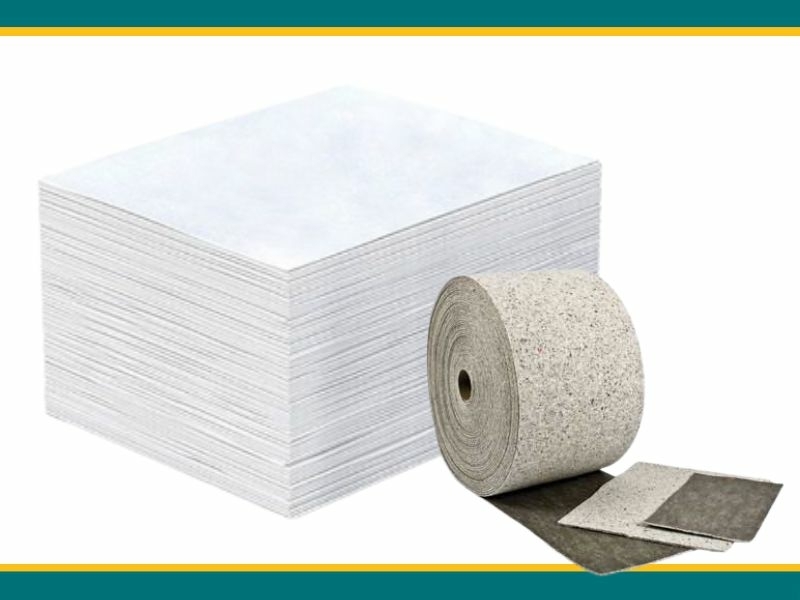
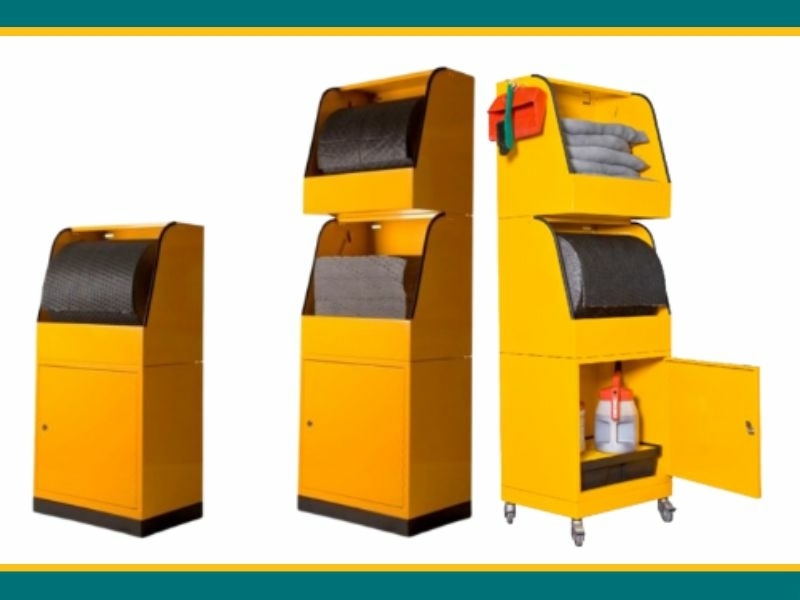
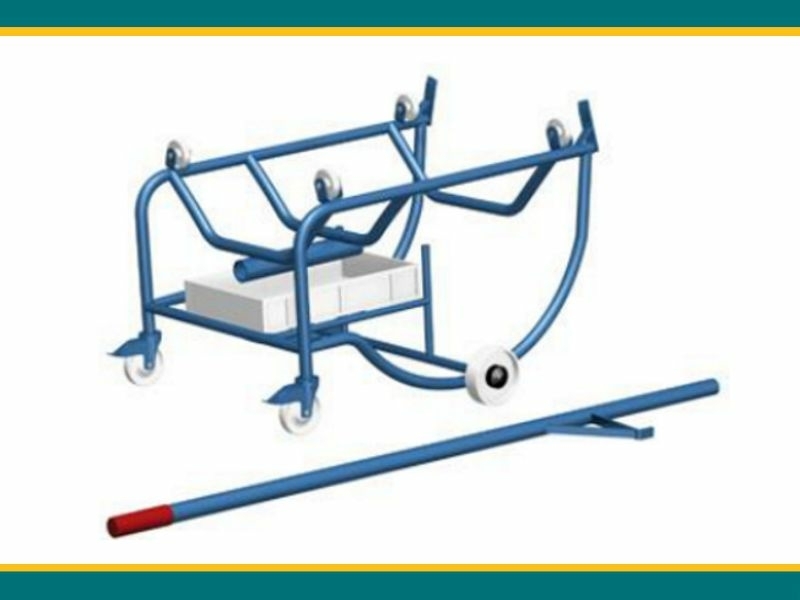
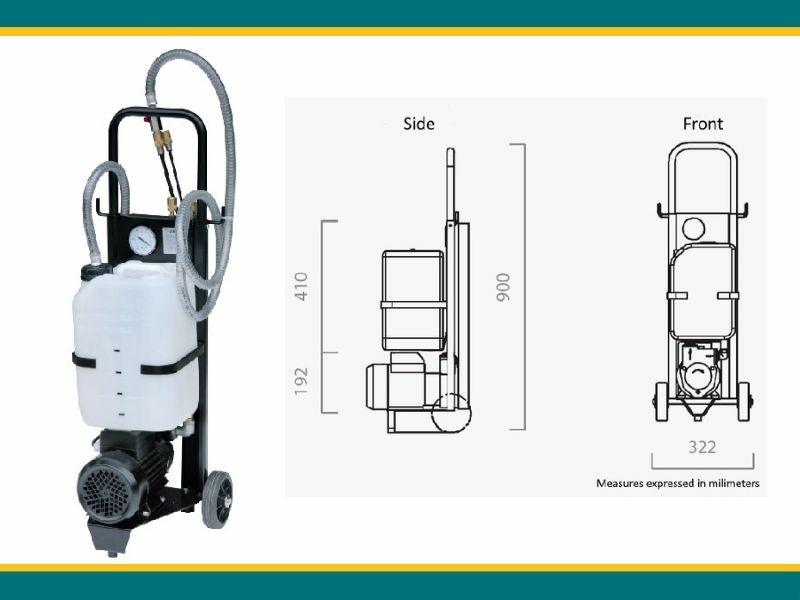
Control spills - cut costs

Read our latest blog on how to maintain a clean, compliant work environment.
THE OPERATING SYSTEM
MAKE CONTROL VISIBLE WITH 5S LUBRICATION.
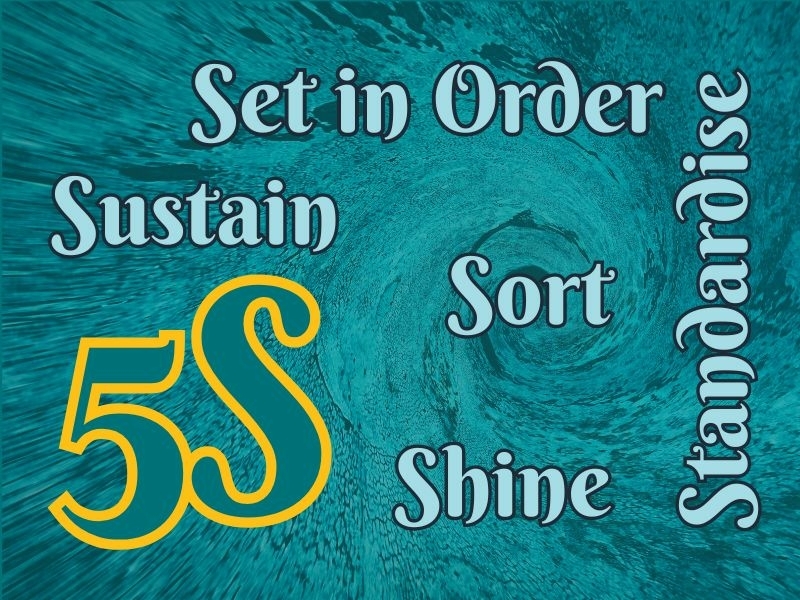
5S (Sort, Set in order, Shine, Standardise, Sustain) isn't just for lean manufacturing. When applied to lubrication, 5S promotes:
Sort
Remove unnecessary lubricants, containers, tools and materials.

Set in order
Give every lubricant, tool and accessory a defined location

Shine
Keep the area clean and inspect for leaks, dirt and abnormal conditions.

Standardise
Create consistent cleaning, storage, labelling and inspection routines.

Sustain
Audit, train and continuously improve.
THE LUBRICATION ENVIRONMENT
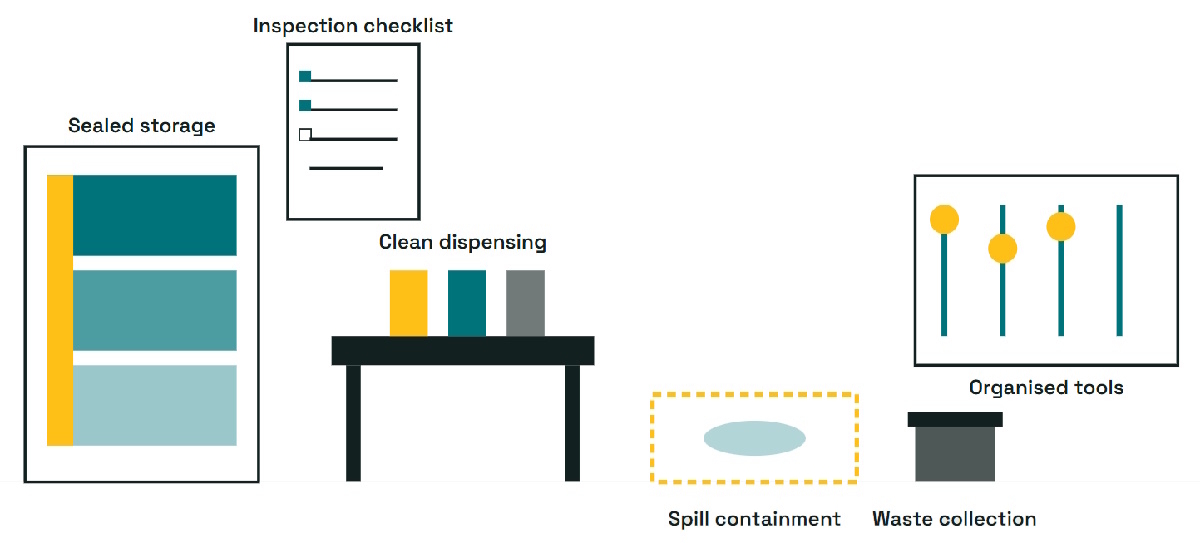
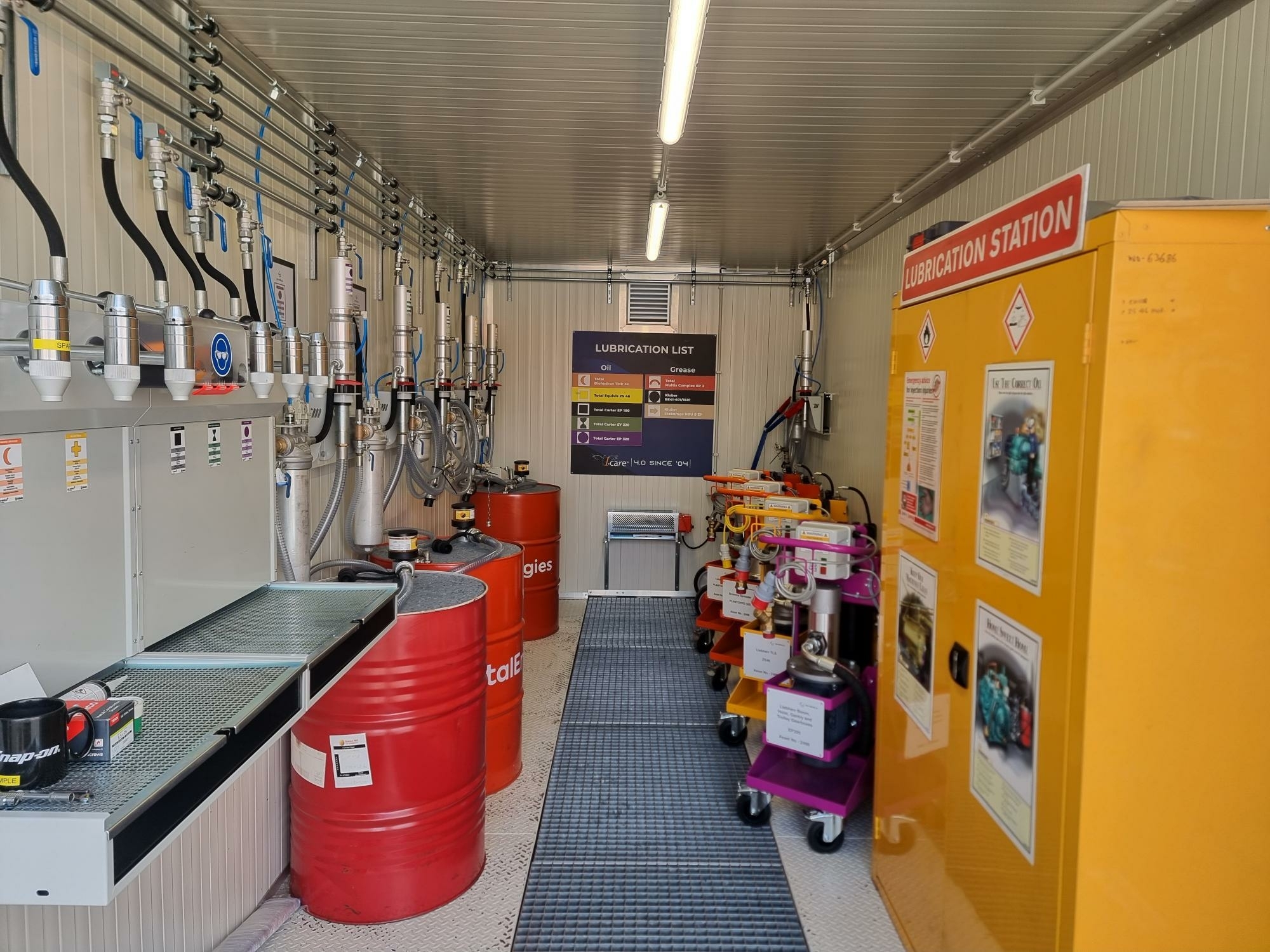
WHAT DOES A CONTROLLED LUBRICATION ENVIRONMENT LOOK LIKE?
Everything has a place. Everything is protected. Problems are visible.
WHY IT MATTERS
PROTECT THE ENVIRONMENT; AND YOU PROTECT THE MACHINE
UNCONTROLLED ENVIRONMENT
- Dirty environment
- Contamination enters lubricant
- Lubricant performance decreases
- Component wear increases
- Reliability decreases
CONTROLLED ENVIRONMENT
- Controlled environment
- Cleaner lubricant
- Better lubrication
- Less wear
- Higher equipment reliability
A SECONDARY BENEFIT
RELIABLE LUBRICATION IS ALSO LOWER-IMPACT LUBRICATION
Good lubrication practices reduce environmental impact as a by-product of doing the job well; by preventing spills, reducing waste, extending lubricant life, filtering oil where appropriate instead of unnecessarily replacing it, and correctly collecting and disposing of used lubricant.
The most sustainable lubricant is often the lubricant you don't have to replace unnecessarily.
BEYOND HOUSEKEEPING
ENVIRONMENTAL CONTROL IS NOT A CLEANING EXERCISE
Cleaning once is housekeeping. Maintaining a defined standard every day is Lubrication Reliability.

SELF-ASSESSMENT
Is your lubrication environment under control?
- Are lubrication areas clean and free from unnecessary materials?
- Are lubricants stored in protected, clearly identified locations?
- Are dispensing tools clean and protected?
- Are spill risks identified and controlled?
- Are absorbents and spill kits available where needed?
- Are leaks and abnormal conditions identified quickly?
- Are cleaning and inspection routines standardised?
- Is the area regularly audited and improved?
If you can't answer "yes" consistently, your environment isn't yet fully controlled.
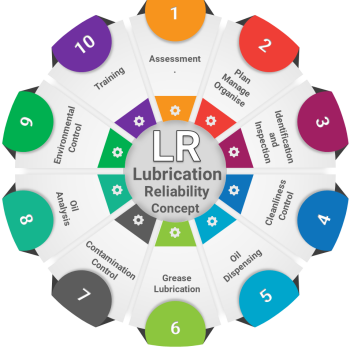
HOW THIS FITS INTO LUBRICATION RELIABILITY™
① Assess & Benchmark
② Organise & Plan
③ Identify & Inspect
④ Cleanliness Control
⑤ Dispense Precisely
⑥ Grease Effectively
⑦ Control Contamination
⑧ Condition Monitoring
9Environmental Control
⑩ Knowledge Management
Environmental Control brings the previous eight steps together by protecting the conditions in which lubrication takes place.
Assess your environment. Standardise it. Control it. Sustain it. Get it right, and
Step 10's knowledge management is protecting a system that's actually holding.
Ready to improve your lubrication environment?
Assess your environment. Standardise it. Control it. Sustain it.