Step 7 of 10: Contamination Control & Protection
CONTAMINATION CONTROL & PROTECTION
CONTAMINATION CONTROL & PROTECTION
Contamination is one of the biggest threats to lubrication reliability. Prevent particles, water and other contaminants from entering the lubrication system, and stop small contamination events from becoming major equipment failures.
PRIMARY RISK
Contamination entering during operation, not storage
GOVERNS
Exclusion, filtration, breathers, sampling
FEEDS INTO
Step 8 (Condition Monitoring)
Step 6 covered getting grease into the bearing correctly. Step 7 makes sure nothing else gets in with it, because once a contaminant is inside the lubrication system, no downstream step can undo the damage. This step turns contamination control from an occasional clean-up into a barrier that holds throughout operation.
Exclude · Filter · Protect · Monitor
Miss one, and a small contamination event becomes
a major equipment failure.
Looking for cleanliness during storage and handling? That's covered in Step 4: Cleanliness Control → This step is about protecting the machine once the lubricant is already in service.
CONTAMINATION IS PREVENTED, NOT JUST REMOVED
The correct lubricant, applied in the correct quantity, can still fail to protect equipment if contamination enters the system. Reliability doesn't stop once the lubricant is in place; it depends on keeping it that way.
Three types of contaminant do most of the damage:
- particles - dust, dirt, wear debris and rust;
- water - condensation, humidity, leaks and ingress; and other contaminants;
- sludge, oxidation products and process-related chemicals - that build up quietly over time.
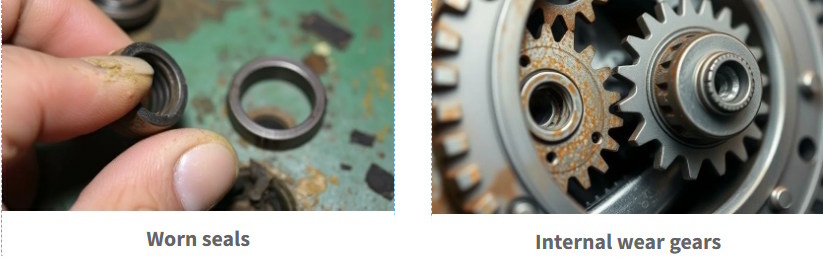
Left unmanaged, these lead to abrasive and corrosive wear, reduced lubricant performance, blocked filters and valves, accelerated degradation, bearing and gear damage, and, eventually, premature equipment failure.
- Abrasive and corrosive wear
- Reduced lubricant performance
- Blocked filters and valves
- Accelerated lubricant degradation
- Bearing, gear and hydraulic component damage
- Premature equipment failure
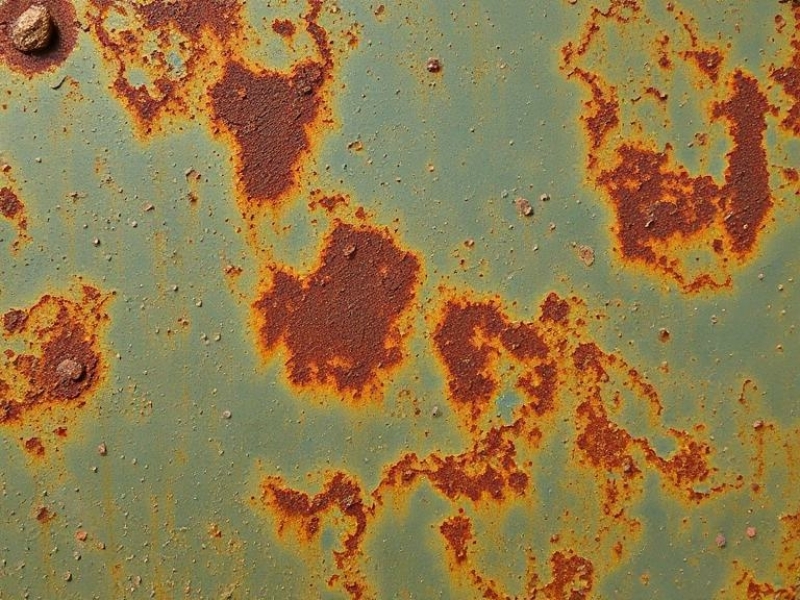
Rust

Core-sand

Machining debris

Oil oxidation
Soot
WHERE DOES CONTAMINATION ENTER?
Contamination can enter from outside the machine or be generated inside it. A protection strategy has to cover both.


Breathing
Moisture and airborne dust via poorly protected vents

Seals &
fittings
fittings
Damaged or worn seals let contaminants pass through

Maintenance
Open fill ports, dirty tools, hoses and fittings

Lubricant
addition
addition
Contaminated new oil or grease at the fill point

Internal
wear
wear
The equipment generates its own contamination
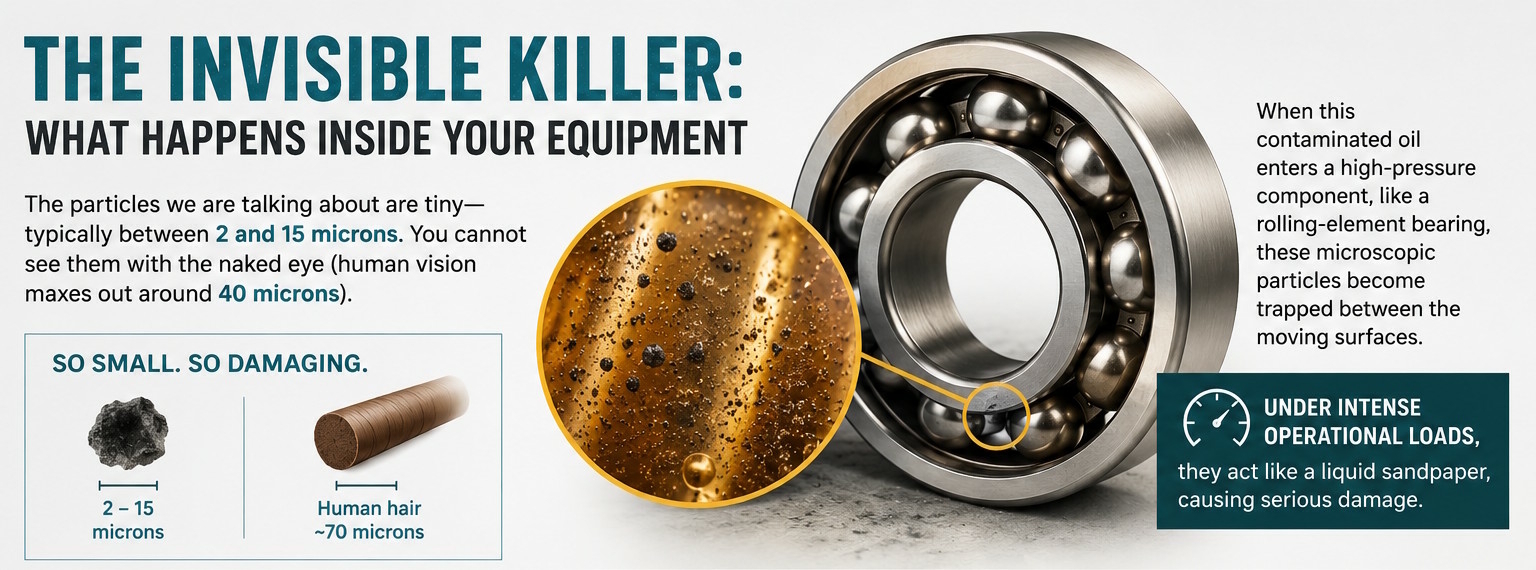
1. Exclude contamination at the source
The most effective form of contamination control is the simplest: don't let it in. Excluding contaminants is cheaper and more reliable than removing them once they're already circulating.
- Keep fittings, seals, caps and fill points closed and protected whenever they're not in active use
- Use sealed fill and drain systems for closed-loop transfer, rather than open funnels or decanting
- Fit protective caps and dust covers at every point of entry, not just the obvious ones
- Inspect seals and fittings for wear as part of routine rounds; a worn seal quietly defeats the whole strategy
"We already keep the lubricant clean in storage, isn't that enough?"
No.
Step 4 protects the lubricant before it reaches the machine. Step 7 protects the machine while it's running and being maintained. A perfectly clean drum of oil still ends up contaminated if it's poured through an open funnel into an unsealed reservoir.
2. Filter what still gets through
No exclusion strategy is perfect. Filtration removes the particles that do get in, and holds the lubricant at the cleanliness level the application actually requires.
- Offline filtration continuously polishes the reservoir volume, independent of the machine's duty cycle
- Online filtration protects components directly in the active flow path during operation
- Filter selection is matched to the target ISO cleanliness code for the application, not chosen generically
- Filters are changed on condition, using differential pressure or service indicators, rather than a fixed calendar date
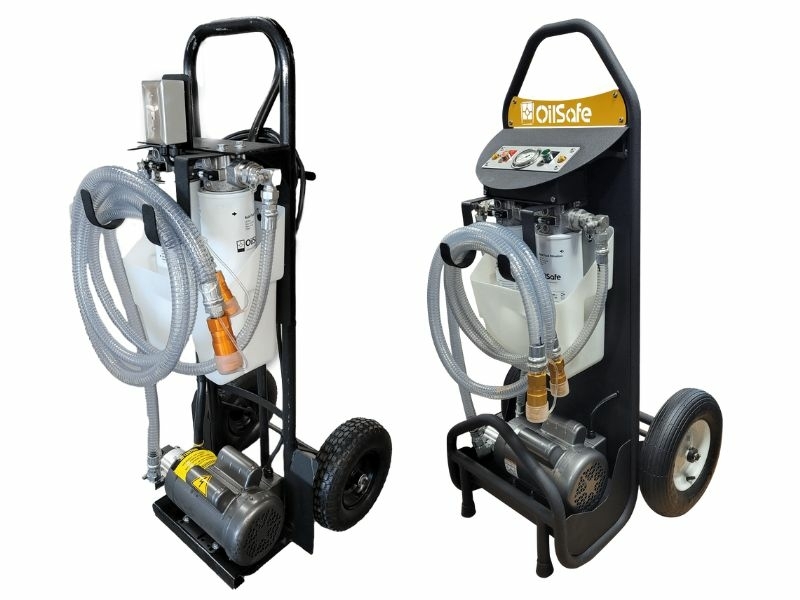
Off-line filtration
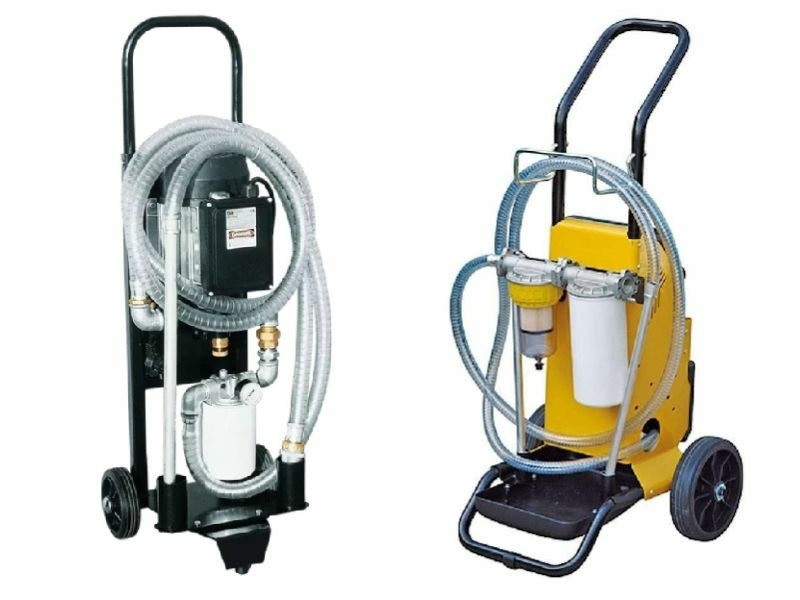
Off-line filtration
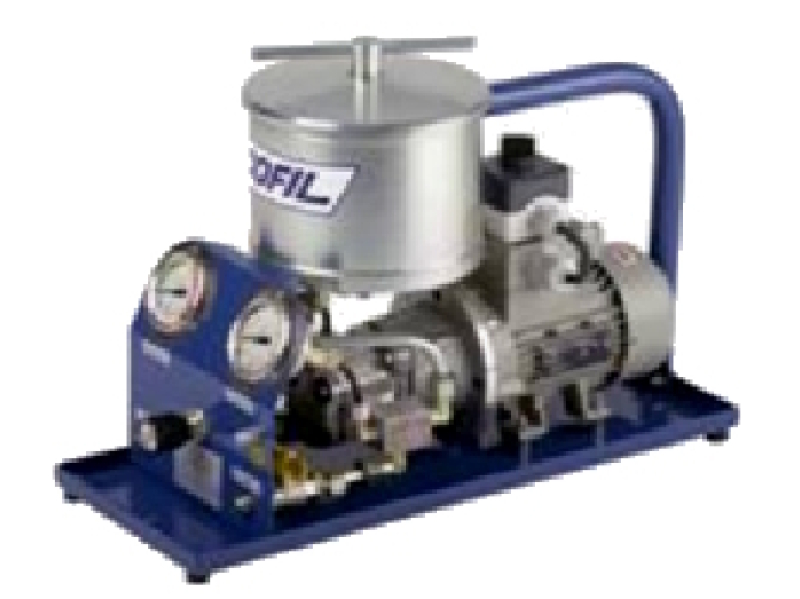
On-line filtration
3. Protect the breathing point
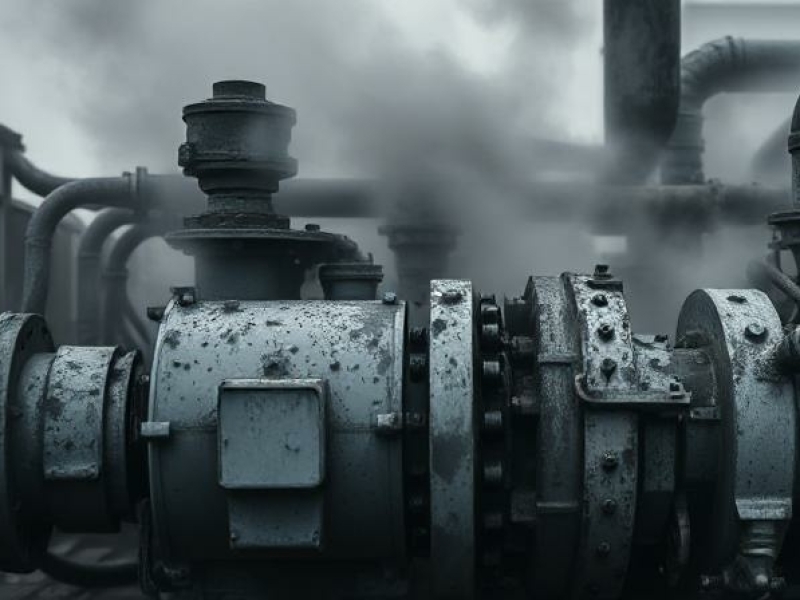
Reservoirs and gearboxes breathe as temperature changes push air in and out. Left unprotected, this single point becomes the largest route for moisture and airborne dust to enter the system.
- Desiccant breathers dry incoming air before it reaches the headspace
- Check-valve or isolation breathers minimise air exchange with every breathing cycle
- Sealed reservoirs where the application and duty allow it
- Breather condition is checked and elements replaced; not installed once and forgotten
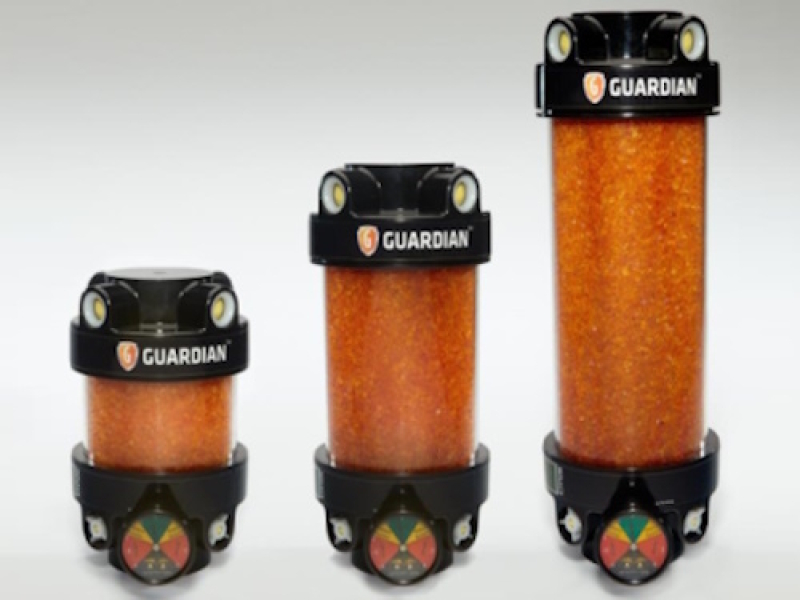
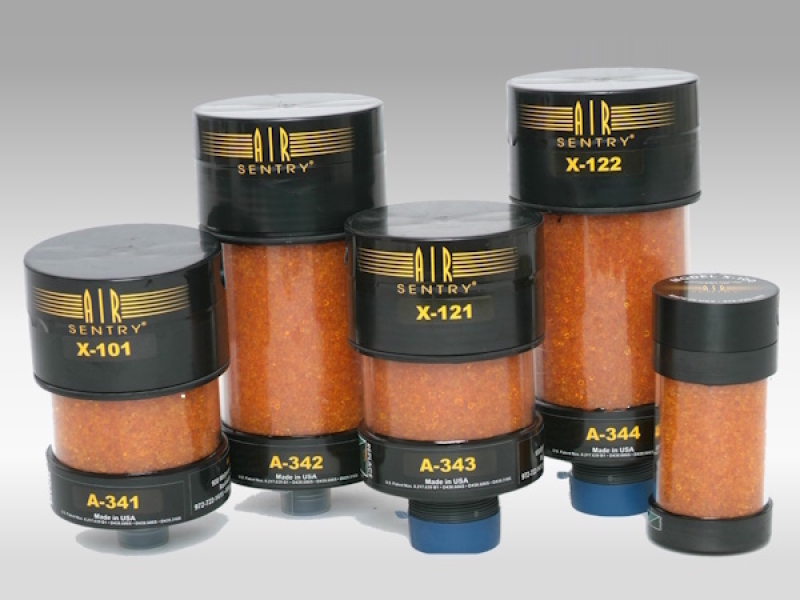
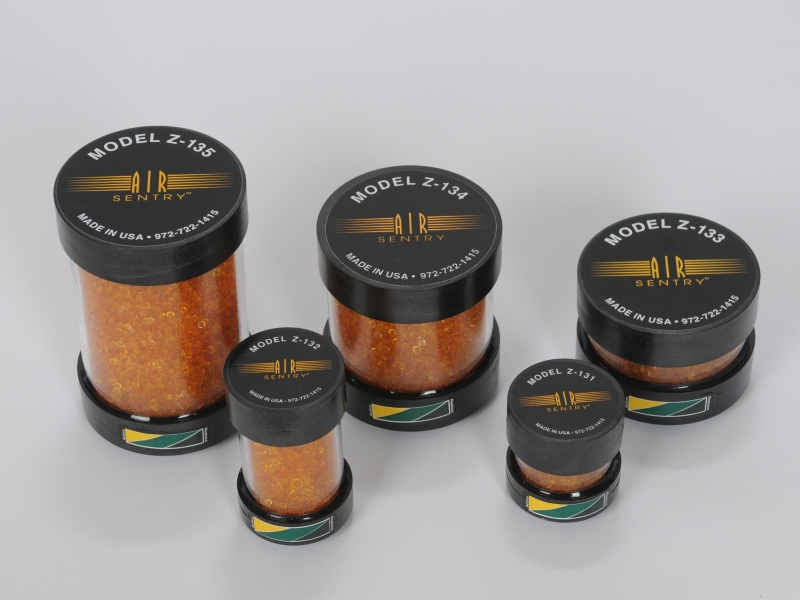
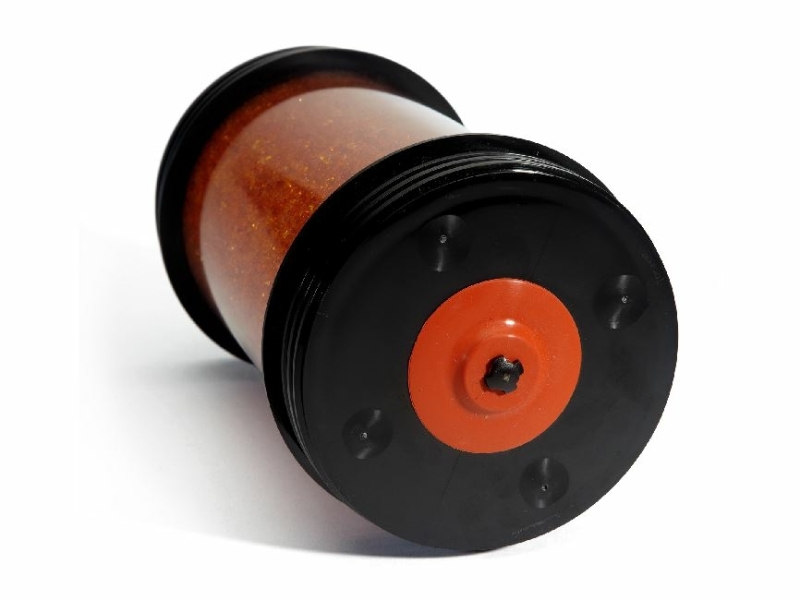
How the Air Sentry® Guardian Breather protects your equipment
Discover how the Air Sentry® Guardian Breather defends your critical equipment against moisture and airborne contaminants. Through clear and engaging visuals, you’ll see how the breather’s advanced desiccant and filtration system works to prevent condensation, corrosion, and particle ingress - extending the life of systems like transformers, hydraulic units, and gearboxes.
4. Monitor to confirm control is working
Visual inspection can't confirm cleanliness; a reservoir can look perfectly clean and still be well outside its target contamination level. Contamination control has to be measured to be managed.
"How do I know contamination is actually under control?"
By sampling, not by looking. ISO 4406 cleanliness codes quantify particle contamination against a recognised scale, so results can be compared directly against the target the application requires, and tracked over time rather than checked once and forgotten.
BEST PRACTICES FOR VERIFICATION
- Sample before and after filtration to confirm it's working, not just running
- Sample from a consistent, representative point every time
- Compare results against the ISO 4406 target for the application
- Investigate any result that drifts outside target, don't wait for the next round
- Log every result against the reservoir or lubrication point
BUILT FOR PRACTICAL CONTAMINATION CONTROL
Protecting a lubrication system isn't only a discipline issue; it depends on having the right technology in place at every entry point. Lubretec supports Step 7 with:

Desiccant breather
Dry incoming air and block airborne particles at the vent

Check-valve breather
Minimise air exchange with every breathing cycle

Filtration systems
Online and offline filtration to a defined cleanliness target

Sealed fill
and drain
Closed-loop transfer that keeps the system sealed in service

Protective caps & fittings
Simple, low-cost barriers at every point of entry

Contamination-control acc.
Sample valves and connectors that make verification routine
These tools support the strategy; they don't replace the discipline behind it. That's our role across all ten steps: helping you build a contamination-control programme that's controlled and verified, not just equipped.
SELF-ASSESSMENT
IS CONTAMINATION ACTUALLY EXCLUDED, FILTERED AND MONITORED, OR JUST CLEANED UP AFTER THE FACT?
- Are fittings, seals, caps and fill points kept closed and protected when not in active use?
- Are sealed fill and drain systems used instead of open funnels or decanting?
- Is filter selection matched to a defined target ISO cleanliness code for each application?
- Are filters changed on condition (differential pressure or service indicators), not a fixed date?
- Are desiccant or check-valve breathers fitted, inspected and replaced on schedule?
- Is oil sampled before and after filtration to confirm it's actually working?
- Are samples taken from a consistent, representative point every time?
- Is any result outside the ISO 4406 target investigated immediately, not left for the next round?
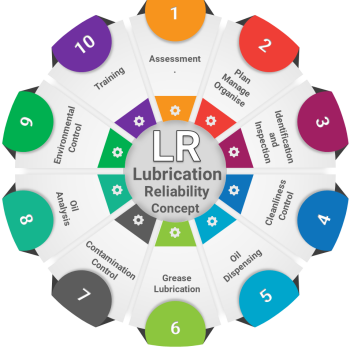
HOW THIS FITS INTO LUBRICATION RELIABILITY™
① Assess & Benchmark
② Organise & Plan
③ Identify & Inspect
④ Cleanliness Control
⑤ Dispense Precisely
⑥ Grease Effectively
7Control Contamination
⑧ Condition Monitoring
⑨ Environmental Control
⑩ Knowledge Management
A reliable lubrication system doesn't simply remove contamination after it occurs.
It prevents contamination from entering, controls the sources, and verifies that
the lubricant remains fit for service.
Step 4 kept the lubricant clean before it reached the machine.
Step 7 keeps it clean while the machine is running, being filled and being maintained.
Exclude, filter, protect and monitor aren't separate options to choose between;
they're layers, and each one covers where the others can't reach. Get this step right, and
Step 8's condition monitoring is reading a system that's actually under control.
Ready to take control of Contamination?
Lubretec helps maintenance teams identify contamination risks and implement practical protection, filtration and monitoring solutions that improve equipment reliability.